

The Connection Between Stress and Pain
Most people have reconciled themselves to the fact that life will never be free of stress. It’s a part of our daily lives whether or not we wish it was present. It’s not all the time, however, that stress piles up and results in serious problems.
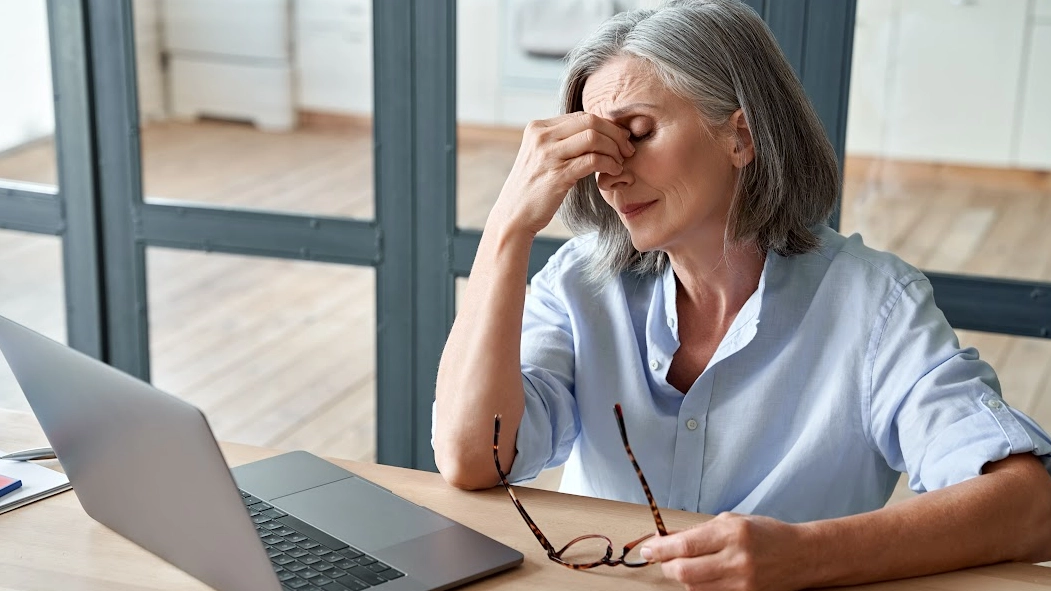 Stress affects your body in many different ways. But have you ever connected it to pain you might be feeling? There are several ways that stress may cause you to feel discomfort, such as
- Muscle aches and pains. Have you noticed that stress can cause your muscles to tense up? Over time, that means soreness that can appear nearly anywhere in the body. You might experience it most often in the back, neck or shoulders.
- Jaw, ear and head pain. People often clench their jaw or grind their teeth when they’re feeling stressed. And most aren’t even aware that they’re doing it! The result can be a tight, sore or achy feeling around the jaw and head areas.
- Headaches. Research shows that greater levels of stress means more days a headache is experienced. Of course, there are many triggers for headaches, but the number of studies connecting it to stress make it tough to discount the connection between the two.
- Stomach pain. Stress may also cause symptoms in the gastrointestinal system including nausea, heartburn, diarrhea, constipation and general abdominal pain. Many people are used to these types of symptoms, but that doesn’t make them normal!
Which Came First – the Chicken or Egg?
Because stress is so ever-present, people might have trouble figuring out which came first, their pain or the stress they’re feeling. But when it continues to build up, symptoms become unbearable.
Why do some people end up with high pain levels from stress, while others seem to take it in stride? We’re all built differently. The same stressor might feel heavy to one, while another doesn’t even register it as a blip on their internal radar.
When stress is continuously high, however, is when the real issues will start to crop up in your body. Chronic pain has been linked to higher cortisol levels, with cortisol being commonly known as the “stress hormone.”
Consider, too, that living with chronic pain is no simple feat. Many who experience it may find themselves riddled with anxiety or fighting with depression, which can lead to a vicious cycle of feeding into habits like isolation or lack of movement that will contribute to pain levels.
What Can You Do?
If you feel that your stress levels have become unmanageable, it’s important that you speak to a health professional. Discuss your concerns and the toll they’ve been taking on you. When it comes to dealing with the aches and pains of life, keep in mind that we are trained in treating arthritis, neck pain, back pain, headaches, injuries and more. If you want to live free from discomfort and be able to complete all your daily activities with a greater level of ease, call us and schedule an appointment.
What Sunlight Can Do For Your Health
Have you started to notice more days of sunlight moving in? It’s the time of year when we can enjoy soaking up more rays than the chilly winter season brought and start to think about spending more time outside. The sun is essential for life. It helps plants, trees and crops grow, keeps us warm and even provides solar energy.
 But when you think about the sun, does your mind go to the damage it can do? In recent years, much talk about sunlight has been focused on skin cancer. Too much can certainly be a cause for concern! But in small amounts, getting out into the sun can have many advantages.
Most vitamins, humans can get through food or supplements. Vitamin D, however, is produced as a reaction when we’re exposed to sunlight. So what are the benefits of sun exposure?
- Improved sleep. Not getting the rest you need? Time to head outside. Research shows that getting an hour of natural light in the morning will help you sleep better at night. According to one study, “When people are exposed to sunlight or very bright artificial light in the morning, their nocturnal melatonin production occurs sooner, and they enter into sleep more easily at night.”
- Reduced stress. When you’re outside in the sun, your body will get natural help in regulating melatonin, which may also reduce your stress level. Consider, too, that if you’re outside, you’re likely getting some exercise, which is a bonus in lowering stress levels.
- Better bone health. Vitamin D is essential to healthy bones. Why? Because Vitamin D will assist your body in maintaining calcium and prevent brittle bones. Calcium can’t be absorbed without this essential vitamin.
- Greater immunity. Don’t want to get sick? Consider getting out in the sun. With consistent sunlight exposure, you’ll get the Vitamin D that is critical to immune system health. And a more robust immune system means less risk of infections and illness.
- Boosted mental health. Exposure to the sun can increase your body’s serotonin level. Serotonin has the power to improve your mood while helping you remain calm and feel more focused.
- A longer life. One study that involved about 30,000 Swedish women who had active sun exposure habits found they had a higher life expectancy than those who avoided the sun. Plus, they had a lower risk of cardiovascular disease and death.
The Consequences of Not Getting Enough Sun
If you don’t get the Vitamin D your body needs, there are serious effects. Children can develop rickets, and more severe cases can mean joint deformity, bone pain, muscle weakness and abnormal growth patterns. In adults, the consequences may not be quite as obvious and can include fatigue, bone pain, and weakness or aches in the muscles. It may even cause changes in mood or feelings of depression.
So, how much is enough?
It depends on the shade of your skin, whether you wear sunscreen and other factors, but it’s estimated that your body needs somewhere between 5-30 minutes in the sun each day.
 Though sometimes the culprit can be obvious, like sitting for too much of the day, others can be a little difficult to pinpoint. One aspect to consider? Muscular imbalances.
 The Mayo Clinic touts the Mediterranean diet as a heart-healthy eating plan.
 Shovelling Snow Done Right
 During the frigid winter months, people generally fall into two categories: People who avoid being outdoors at all costs and people who don’t let the cold stop them from spending time outdoors. For those of you who enjoy the cold, crisp air and beautiful snowy landscapes, this is for you. And, if you are not outdoorsy in the winter, this may inspire you to give a winter hike a chance.