

Children and Backpack Safety
 Did you know that more than 50% of youths will suffer from at least one back pain episode during their school years?
Each day, kids are carrying laptops, textbooks, and more, adding up to serious pounds of stress on their backs. With such a heavy load, injury can result more than most parents realize. Your children may find themselves unable to enjoy leisure or sports activities, though often, the stress of carrying a backpack adds up over time – meaning plenty of kids don’t even realize their pain isn’t normal.
One investigation carried out by CNN showed that students carried up to a 25-pound load in their backpacks. Research suggests that a backpack should not exceed 10% of the wearer’s body weight.
A heavier load may lead to discomfort, postural changes, and an inability to participate in activities.
How to Choose the Right Backpack
So, what can a parent do? It all begins with seeing whether your child needs a change. If you see that they are straining, shifting posture, rubbing at their neck or shoulders, or report numbness or tingling in the arms, it’s a sign that their backpack is having negative effects on their body and health.
- Look for lightweight bags. You don’t want the backpack’s weight to start adding up before anything has been put inside of it!
- Check the straps. The shoulder straps should be wide, and it’s helpful to have a waist strap as well, which will help distribute the weight.
- Use the pockets. A backpack with many compartments means the weight can be more evenly balanced.
- Pack lightly. Make sure your child isn’t carrying anything unnecessary in their backpack – only what is required for that day.
- Wear it properly. Adjust the straps so that the backpack sits flush against your child’s back. Make sure you can slide a hand between the pack and your child’s back so that it’s not too tight.
When you consider each of these factors during backpack shopping, you can make the best possible choice for your child’s spinal health.
A Few More Helpful Tips
Many kids like to wear their backpack over a single shoulder, allowing the majority of the weight to hang off one shoulder. Make sure they utilize both straps rather than adding tons of stress to one side of the body. Similarly, avoid bags that are messenger-style or do not otherwise allow that balanced weight distribution.
If a pack worn on the back adds too much stress to your child’s body, or if it otherwise simply seems not to work for them, consider one that is on wheels. They can be wheeled on the floor, allowing the load to be taken off your child’s body.
Have further concerns about your child’s back? Consider bringing them to us for a checkup. With a wealth of expertise in spinal health, a we can check your child’s back, spine and posture. We can advise you on any concerns that are found after a thorough examination, including the next steps to take if any are necessary.
What Types of Headaches Can Chiropractic Help With?
If you’re a headache sufferer, you’re not alone. In fact, the WHO states that 50% of adults around the globe experience at least one headache a year. Knowing you’re in good company, however, doesn’t do much when you’re struggling with the pain.
So what can you do, and what might really help you if you want to live without the discomfort and inconvenience headaches bring?
Tricky to Pinpoint the “Why”
 A headache can feel vastly different depending on the person experiencing it and the cause of their pain. It may be a light form of discomfort or a heavier pressure that causes a disruption to a person’s daily activities. The pain might last for a shorter term, or go on for several days.
Part of the difficulty in finding a lasting solution for headaches is in determining the cause. Because there are so many different ways a headache can be caused, it can be tough to pinpoint exactly why yours is happening. That’s where chiropractic can bring huge benefits. A chiropractor gives a thorough examination and consultation to each new patient, which can help in determining the “why” behind your headaches.
Some of the most common sources worth investigating are
- Joint dysfunction
- Muscle tightness
- Poor posture
- Stress
- Alcohol
- Loud noises
- Sleep deprivation
Like many other forms of musculoskeletal conditions, chiropractic may be able to help those experiencing certain forms of headaches. Some headaches to consider include
Tension. This extremely common type of headache is described as a tightness around the head. Stress is usually a trigger for tension headaches. You could try some stress management tips, applying a cold pack or hot pack and working on posture improvement. A chiropractor can be a great resource here.
Migraine. A migraine can be experienced differently from person to person. The symptoms can include nausea, vomiting, light sensitivity and disturbed vision. There are seemingly countless theories about the cause of migraines, and they can last for hours or days.
Cervicogenic. This type of headache comes from the neck or the vertical spine. The origin can be addressed through chiropractic adjustments and exercises that will address the dysfunction that’s causing the pain.
What Can Chiropractic Do?
There are a variety of treatment options we can use in addressing headaches. As mentioned above, there are chiropractic adjustments that can include manual and soft tissue therapies. We can also walk you through appropriate lifestyle modifications and therapeutic exercises that can help relieve your headache pain.
Don’t make the mistake of not taking headaches seriously. Just because many people in the world experience them doesn’t make having a headache normal. If a headache comes on suddenly and leaves you in severe pain, or follows a head-related injury and has any worrying additional symptoms, be sure to seek emergency attention immediately.

 One big problem that is often overlooked: that even when you’re out for a brisk walk, stretching is incredibly important.
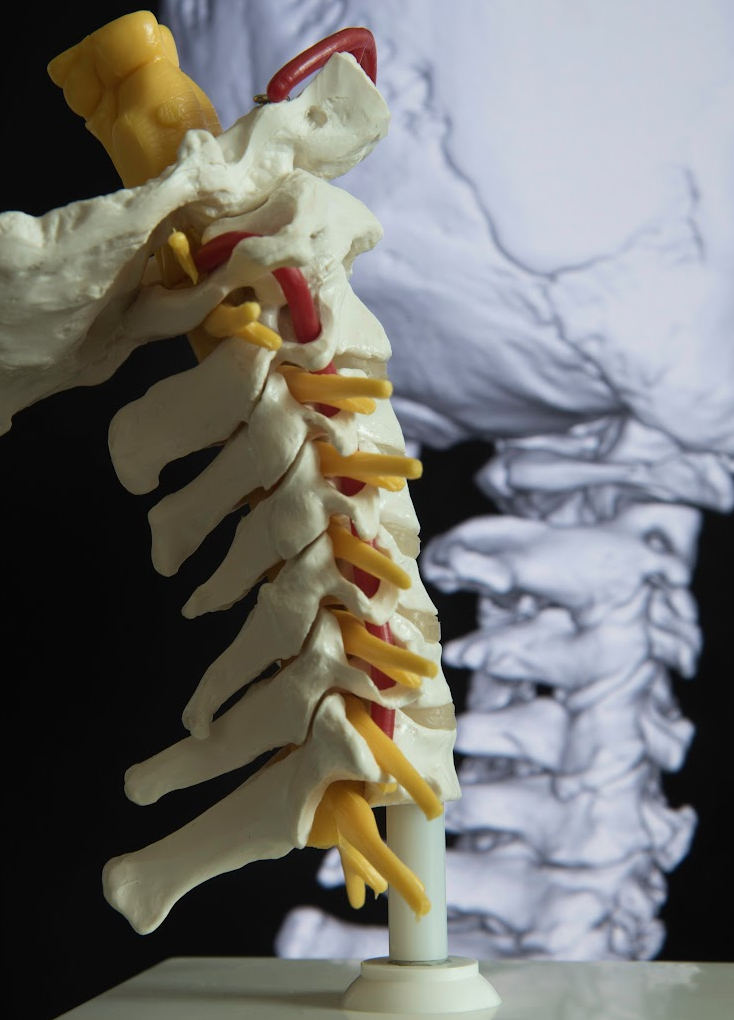 There is no shortage of practitioners to turn to when you want to improve or maintain your health. How do you know which is right for you? It can seem pretty difficult to navigate, even for those who consider themselves knowledgeable about the benefits of different healthcare disciplines.
 It’s more common than you might think.
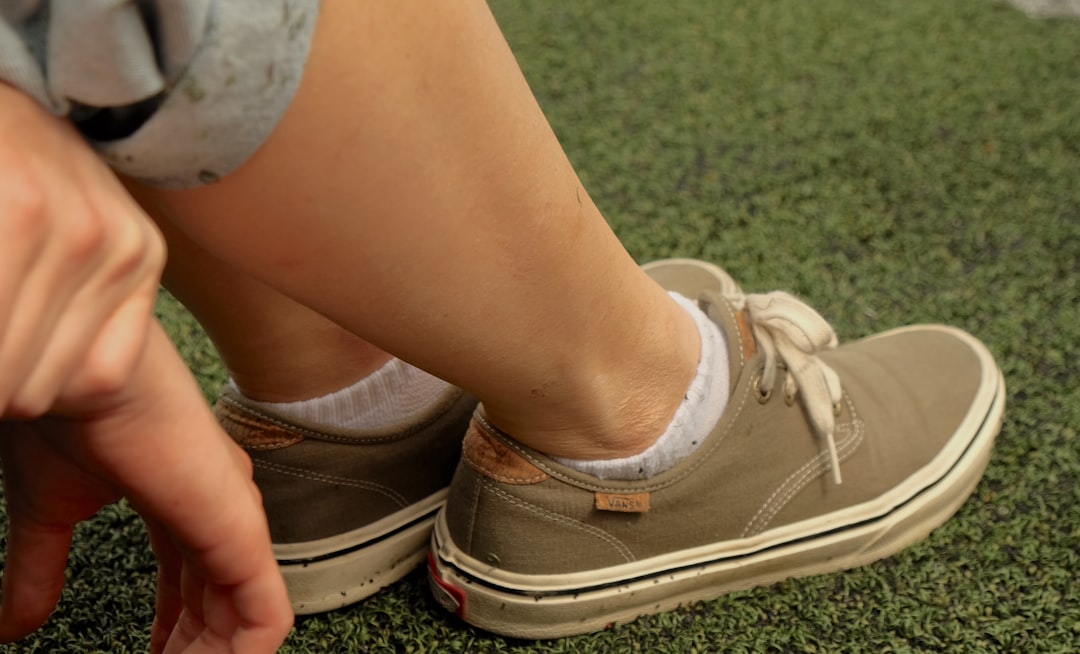 If you have struggled with ankle-related problems before, you’ve likely felt frustrated with how long they can take to resolve. Many people who have had an issue with their ankle find that episodes of pain continue to recur.
 It’s tough to juggle it all in this day and age. Thinking about your health isn’t always the first thing on your mind. Your feet are, literally, the furthest in your body from your mind! But that doesn’t mean they don’t affect your health.
 When you think of creativity, what comes to mind? Is it sculpting, painting, pottery? Sure, those are all forms of creativity, but if you’re one of the people who think “I’m just not creative,” you may be wrong.
 But when you think about the sun, does your mind go to the damage it can do? In recent years, much talk about sunlight has been focused on skin cancer. Too much can certainly be a cause for concern! But in small amounts, getting out into the sun can have many advantages.
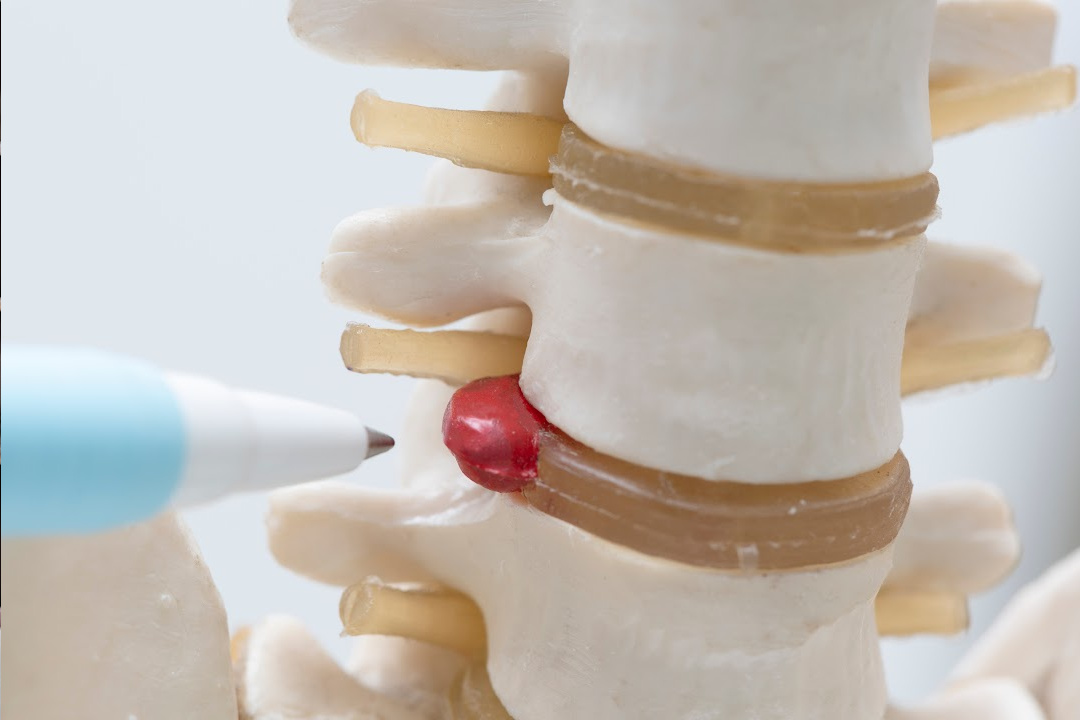 As you may already know, your spine is made up of different segments called vertebrae. Each vertebra is cushioned by a spinal disc. When these discs are healthy, they’re like shock absorbers for the spine. These discs are what keep your spine flexible and mobile as it should be.
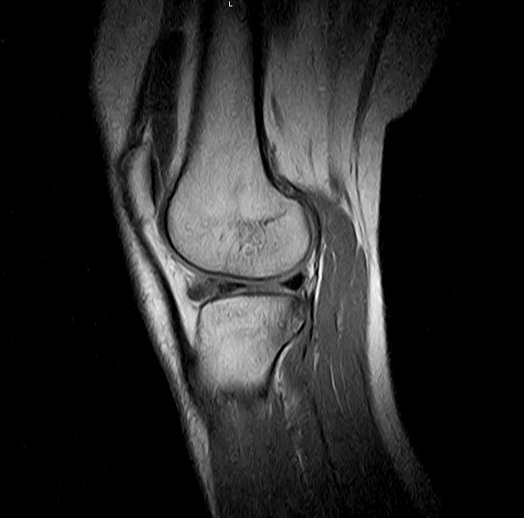 No matter how many candles there were on your last birthday cake, you may find yourself suffering from a condition that can be difficult to resolve: knee pain. Knee pain can affect people of all ages and in any stage of life. Our knees endure a great deal of stress each and every day. You need them to take on daily activities like walking, lifting, and kneeling. If you are experiencing knee pain, it’s natural that you’d start feeling pretty limited in your life!
 Though sometimes the culprit can be obvious, like sitting for too much of the day, others can be a little difficult to pinpoint. One aspect to consider? Muscular imbalances.
 The Mayo Clinic touts the Mediterranean diet as a heart-healthy eating plan.
 It can result from the simplest of actions. But suddenly you’re immobilized, and the slightest movement produces agony. If this happens to you, you will want to call us right away!
 This time of the year, there is a lot of information about diets, and you’ve likely heard plenty about “keto.” This term is a shortening of “ketogenic,” which is a style of eating that has become popular in recent years.
 Shovelling Snow Done Right
 During the frigid winter months, people generally fall into two categories: People who avoid being outdoors at all costs and people who don’t let the cold stop them from spending time outdoors. For those of you who enjoy the cold, crisp air and beautiful snowy landscapes, this is for you. And, if you are not outdoorsy in the winter, this may inspire you to give a winter hike a chance.