
Where Does Chiropractic Fit Into Your Health Plan?
 There is no shortage of practitioners to turn to when you want to improve or maintain your health. How do you know which is right for you? It can seem pretty difficult to navigate, even for those who consider themselves knowledgeable about the benefits of different healthcare disciplines.
Who’s On Your Team Matters
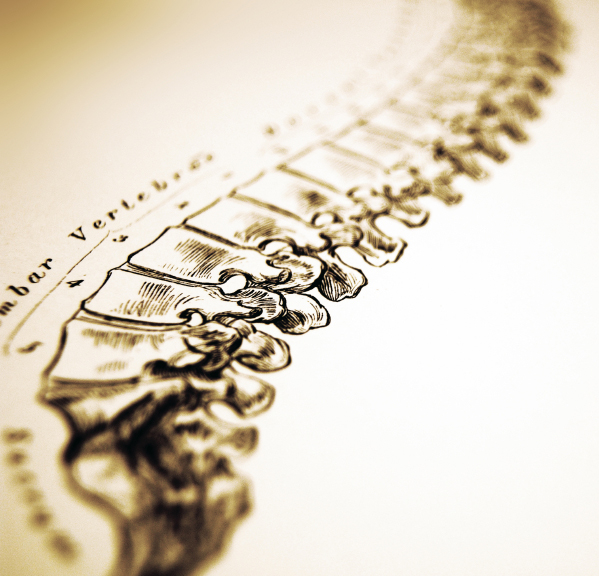
Have you heard of the idea of integrative healthcare? It involves the collaboration of healthcare professionals that help you achieve your goals. A chiropractor is qualified to assess, diagnose and treat issues that affect your musculoskeletal and neuromusculoskeletal system.
When a case is outside of the scope of chiropractic, a chiropractor will give a referral and explain to you why, and how the referring professional may be able to help you. Then, they can collaborate with that other professional to support your ongoing care.
This team approach ensures you get the best of the best, benefiting from the combined knowledge of different practitioners. But what do some of the professionals in the world of alternative healthcare actually do?
It’s important to understand that so you can maximize your benefit from each. Some of the most commonly used include:
- Chiropractic. This form of holistic care is focused on improving your overall wellness. With precise adjustments, joint function is resorted and the nervous system is supported without the use of medicine or surgery.
- Physiotherapy. A physiotherapist Aims to prevent, assess or treat injury, disease or disorders in movement and function. They work with patients to improve their mobility, rehabilitate injury and more.
- Massage therapy. Massage on its own can be incredibly beneficial, but a registered massage therapist can go deeper and create a treatment plan based on your needs and preferences. It can give a boost to your physical, mental and emotional well-being.
- Naturopathy. Naturopathic medicine combines modern science and traditional, natural forms of medicine to stimulate the body’s healing power. To get to the underlying cause of disease, a naturopath may use therapies like nutrition, botanical medicine, acupuncture, hydrotherapy and more.
- Acupuncture. This therapy is designed to stimulate the release of endorphins to relieve pain, increase energy, improve your mood or boost your body’s overall function. Though specially designed needles are traditionally used, hands, electricity or a laser can also be used to achieve the desired outcomes.
How to Know What You’ll Benefit From
Though the above is just a small sampling of some of the alternative forms of healthcare commonly used, there are too many to name! As such, it can be tough to navigate which is right for you. Add to that how each practitioner may take their own approach, unique from the next, and you might be feeling a little lost.
The best place to start is by speaking to your doctors. Whether you see a GP regularly or another practitioner, they are used to working in a team with other professionals. Ask at your next appointment if you might be a good candidate for any other form of healthcare.
By taking an interdisciplinary approach to your healthcare, you’ll end up feeling more educated and knowledgeable about how to manage or prevent health conditions that can affect your level of wellness.
How to Stop Overthinking
 Have you ever felt like your train of thought is stuck on a hamster wheel of negativity? It’s likely happened to all of us at some point in our lives. Constant worrying and overthinking isn’t good for us, particularly when we start to experience it in the longer term. In fact, research even indicates that thinking too much is associated with an increased risk of certain mental health conditions including anxiety, depression, insomnia, post-traumatic stress disorder (PTSD), and eating disorders, amongst others.
But, as you know if you’re a person prone to overthinking, it’s tough to put a stop to those whirling thoughts.
Here are some tips to move you in the right direction!
- Create space to respond objectively. Your response to your thoughts can lead to a cycle of repetitive thinking, dwelling over and over on one of your worries. When you feel this thought pattern emerging, take a moment to be objective. How is your mood affected? What is the primary emotion you feel? With more self-awareness, you can hold the key to changing your mindset.
- Breathe deeply. When your thoughts keep repeating over and over, you can use your breath to unwind. Find a quiet space, close your eyes and place a hand on your stomach or heart. Inhale and exhale purposefully for a few minutes and see if it makes a difference for you.
- Tackle your ANTs. Automatic negative thoughts, or ANTs, are felt as an automatic reaction to a situation. Most people have them without recognizing what they are. You can work through them by writing them down, tracking what your thought patterns are so you can evaluate the cause of these thoughts–and even to start trying to reframe them.
- Think of other viewpoints. Much of our ANTs fail to consider that there are other views to take of any given problem. By stepping outside of your usual perspective, you might work through some of the assumptions you’re making about the situation.
- Get distracted. While most people in the world feel they’re too easily distracted in our modern, demanding world, it can be a great way to shut down overthinking. Don’t pick up your mobile and mindlessly scroll, however! Think about a hobby like painting or crafting, or take a relaxing walk. It can be the perfect time to learn a new skill or to restart a healthy habit you’ve dropped.
- Acknowledge what’s going right for you. It’s far too easy to discount our successes and focus on our failures. Think about writing down a few things that go right for you each week, and the role you played in that success. It may help to refer back to this list when you experience spiraling negative thoughts.
- Stay present. Overthinking means you’re not in the here and now. You can ground yourself by unplugging from mobile devices or moving away from your computer, choosing a different activity that helps you feel relaxed. Or get outside even if just for a few minutes, allowing you to reconnect to the present and shut off the negative thoughts.