

Notify Us of Your Car Accident
Nobody is prepared for or expects to get into a car accident. It’s often when you are almost at your destination, on your way home from work or when you have somewhere you need to be. It’s important to know that regardless of the severity, your body can have major reactions to an accident. The impact and how much of the force your body and joints have absorbed will ultimately determine the injuries, but how quickly you respond to these injuries matters. Obviously seeking medical attention will be your first course of action, and we will ensure you are receiving the best aftercare possible.
 The Most Common Injuries
Shoulder, neck, and back injuries are the most common issues we experience after an accident. Whiplash occurs when your cervical spine is abruptly “whipped” backwards then forwards in an accident – knocking it out of alignment. This most commonly happens when you are rear ended, particularly if the injured person did not anticipate the collision. The thing about whiplash is, you often feel fine immediately after the accident, and it isn’t until days later that you may begin to experience sore neck muscles, a strained back and painful shoulders.
Treatments are Customized
After a thorough assessment we will customize your treatment in direct relation to your injury. These treatments commonly include:
- Muscle stimulation and relaxation therapies
- Spinal adjustments
- Stretches
- Exercises
- Lifestyle modifications to address pain
The best course of action will be individualized to your body and chiropractic needs, this means that your recovery will follow a timeline specific to your injuries.
Get Treatment Right Away
If you, or someone you know has been injured in an accident, call us. We are ready and willing to help you recover as efficiently as possible. Delaying treatment means a delay in returning to your regular lifestyle, and your lifestyle matters to us.
Swimming Safety
Summer is finally here, and one of the best ways to cool off and get some low-impact movement is to swim! Let’s keep in mind that casually swimming in a pool is very different from swimming in a lake or ocean, where you are more susceptible to apparent injuries. Whereas in a pool, repetitive motions can sneak up on you and cause soreness and less obvious injuries.
 The good news is that both are great low-impact ways to remain physically fit. Whether you are training for a triathlon, treading in a pool, or getting around in a lake, your body will thank you as long as you are safe. Water safety is a must, but being aware of the biomechanical stresses on your body will allow you to enjoy this summer’s favourite past-time!
What are The Most Common Swimming Injuries?
This depends on your level of activity, but generally speaking, these are the most common:
Upper neck pain and headaches. Between the strain of keeping your head above water and the repetition of moving your head from side to side to catch breaths, it’s easy to overextend and injure your neck muscles and develop headaches.
Shoulder instability, tendonitis, or swimmer’s shoulder. Tired, inflamed, or weakened muscles and tendons can cause injuries with repetitive motions. Being prepared with exercises using therabands, push-ups, or seated rows can protect your shoulder joints from injuries through strengthening.
Lower back injuries. Failing to stretch before swimming is one of the most common reasons people injure their lower back while swimming. Strokes like breaststroke can cause an overextension/curve of the lower back, leading to strained muscles and soreness. Stretching after a swim is equally as crucial as regular exercise to maintain strong muscles. Exercises like deadlifts and squats are great for lower back strength and mobility.
Swimmers Knee. Swimmers’ knee occurs when ligaments and tendons are overused or misused. Avoiding repetitive motions by practicing different strokes, pre-swim warm-up, and stretching afterward are the best ways to prevent swimmers’ knee.
Hip flexor issues and joint inflammation. Spending extended periods in the pool and over-training can significantly tighten the hip flexors. This makes them more susceptible to injuries or soreness. Something as simple as paying attention to your foot positioning in and out of the water can make a difference. In addition, repetitive movements related to swimming can cause inflammation in the hip joints. Warming up and light exercise in addition to swimming can ensure inflammation is reduced.
Chiropractic Care Can Help Reduce Swimming Injuries
We are often called upon when a patient has endured an injury from swimming, but the truth is, we can help prevent them from occurring in the first place. Swimming casually in a pool, training in a pool for water sports, or lake swimming all have different sets of expectations when preventing injuries. However, all of them require a warm-up, including stretches and strengthening exercises between swimming sessions.
Having your spine assessed can allow us to develop a plan to ensure your body remains agile by extending your range of motion while remaining strong through balance and strength training.

 The problem with this is, this is how injuries occur. And not only are injuries prevalent in the summer months, but exacerbating existing pain is also a factor.
  TMJ (temporomandibular joint) pain is common for many people, and most will consult a dentist thinking it is tooth related. However, studies and people’s testimonials have shown that chiropractic care can be an effective method to relieve TMJ pain.
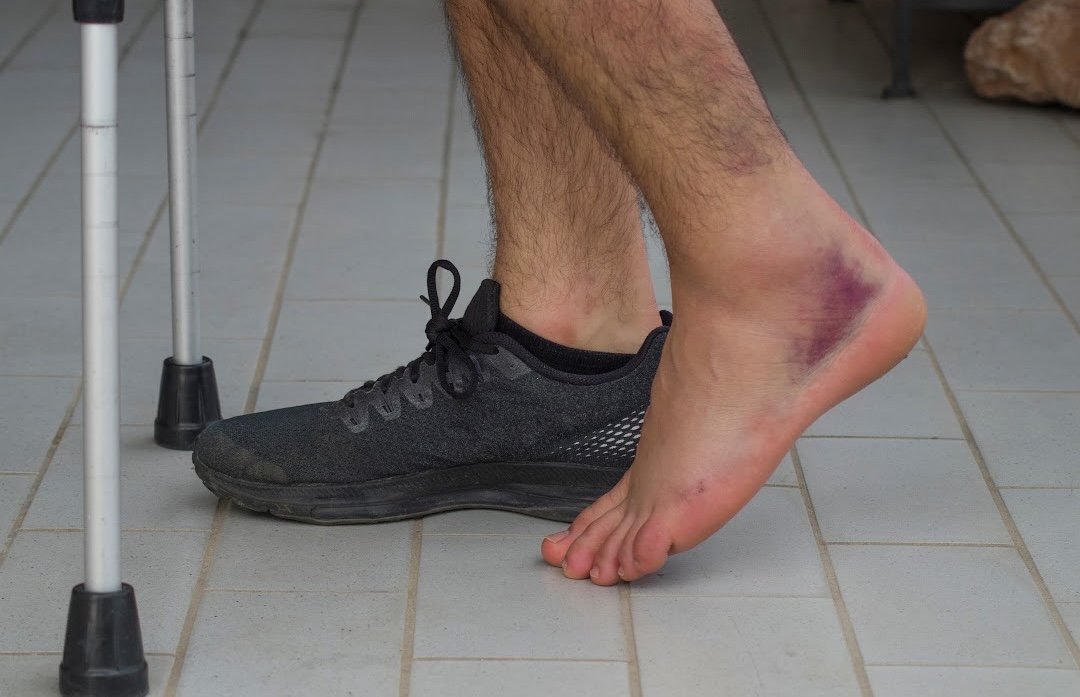 If you have sprained your ankle, we will ensure you are well equipped with all of the tools you will need to ensure you are safe and educated. Other than this, we will test which grade the sprain is, and move forward with treatment options accordingly.
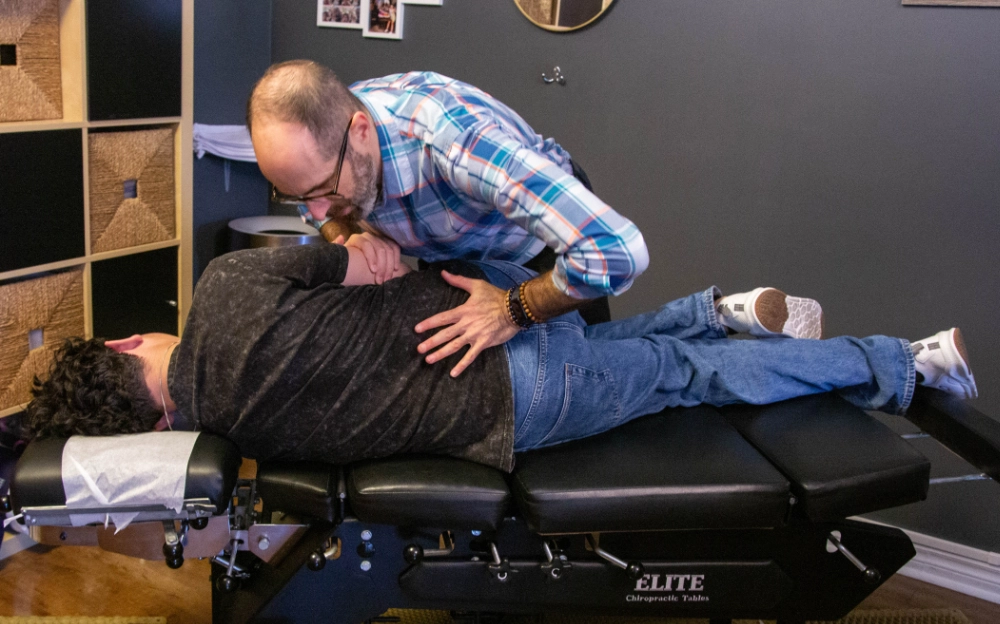 I have touched on this topic in previous blogs. The increased demands over the past few years for people to work from home have changed the climate of the workspace. I have seen increased shoulder tension, headaches, and restless sleep in my practice, along with people showing an increased interest in chiropractic care.
 Having a good golf shot all depends on your technique. And there are dozens of ways to approach a swing. The only ideal swing, however, is performed by following the right biomechanics.
 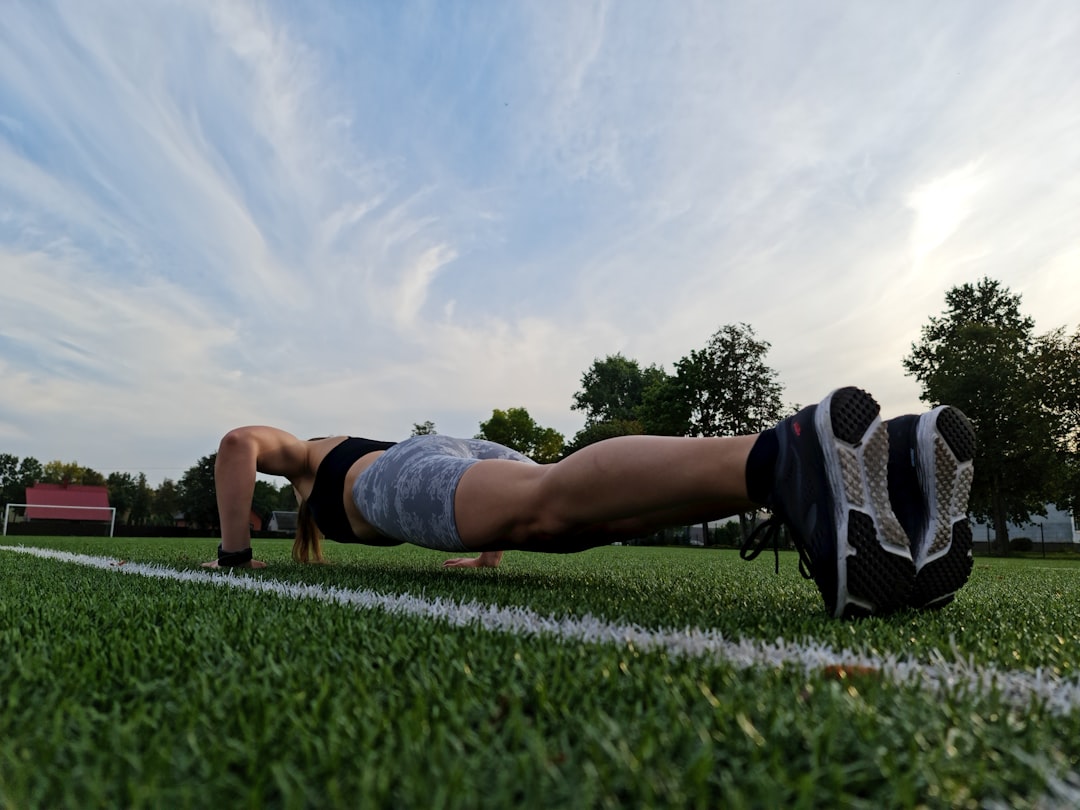 These can vary widely from person to person, and some may never experience any problems at all. However, many do complain of having muscle and joint pain, and some even have mild swelling around their joints. The most common areas of pain are the knees, elbows, thigh muscles, and calf muscles.
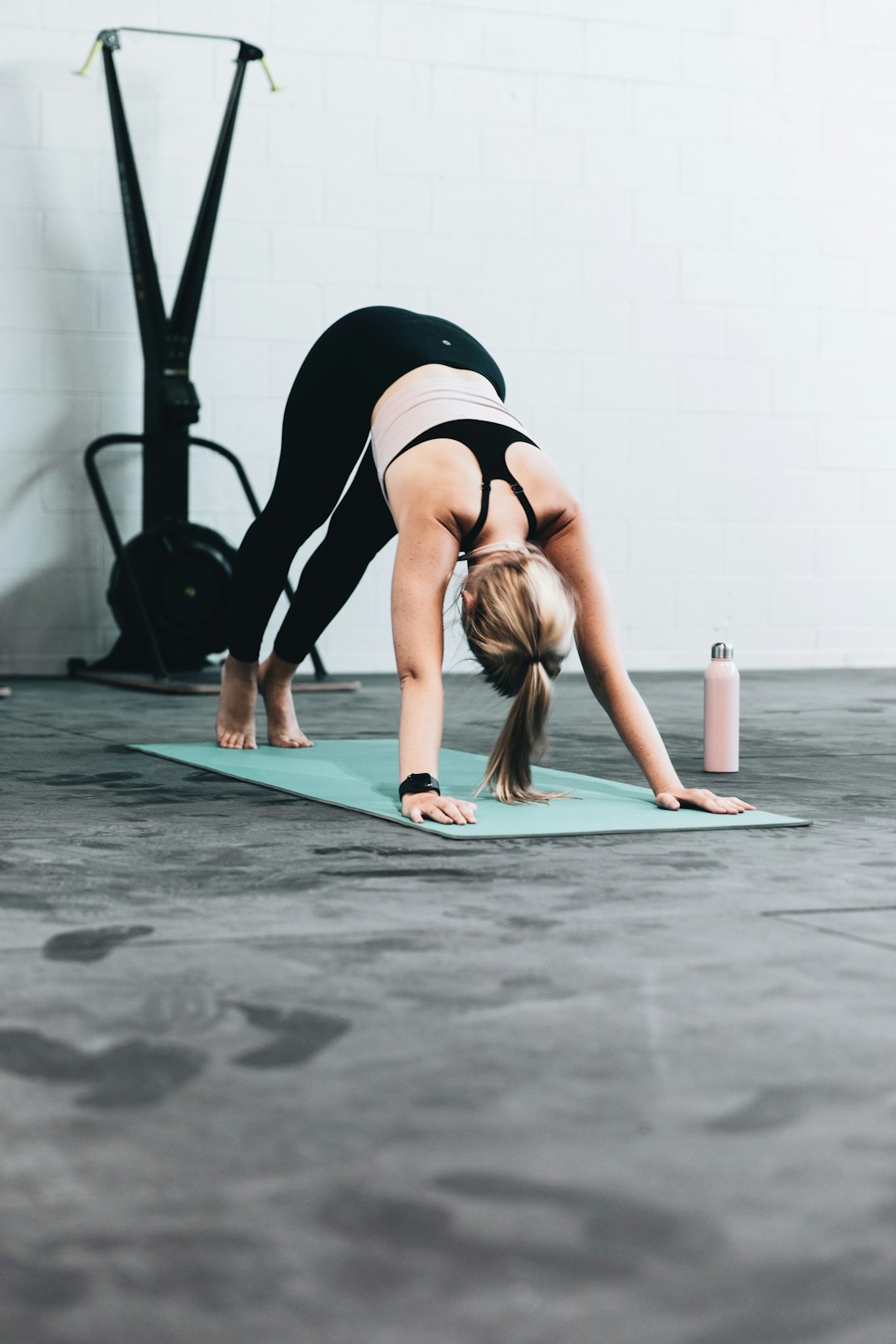 Online yoga is a good option, but be careful when choosing an online class that is appropriate for you. Without instructors that can watch your form and make suggestions to eliminate the possibility of injury, this is not necessarily recommend for those with compromised mobility. However, if you don’t fall into this category, starting with an online or in-person beginner program can be a great start to something you may love.
 Bone Health
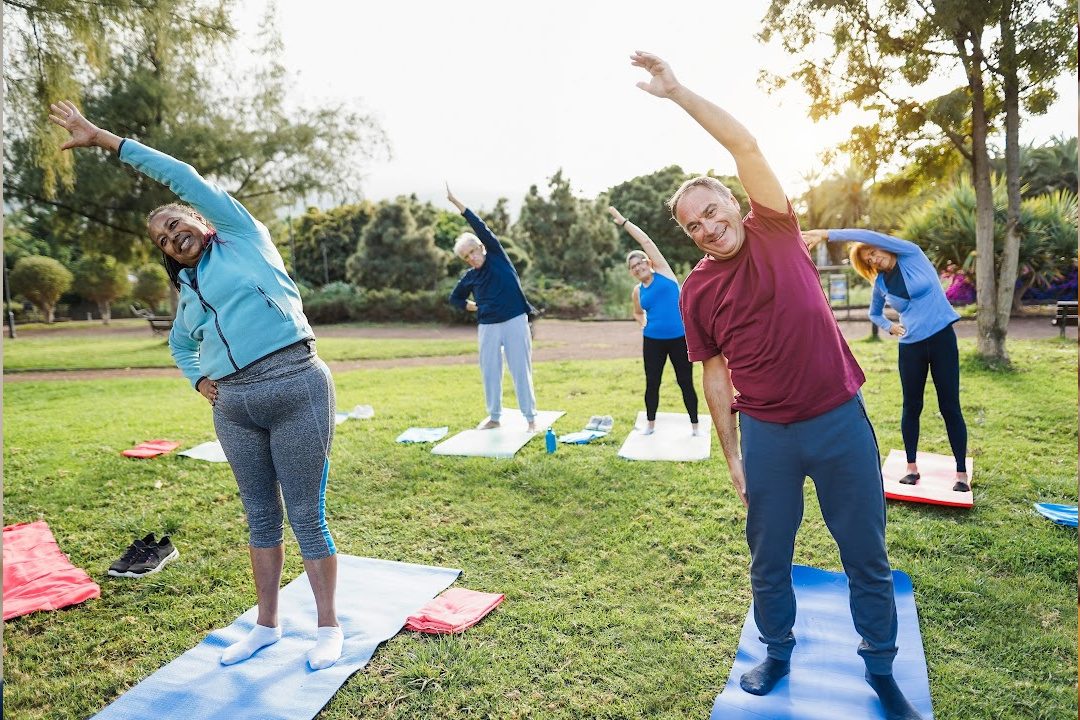 Inflammation is a Major Source of Pain
 What Makes Up The Hip Flexors?
 Keep Drinking That Water
 The underlying issues need to be addressed because even a little tension can cause the joints and muscles to become stiffer, leaving you worse than how you started. The problem with overusing OTC medications for pain is that you can cause more damage due to your body thinking it is safe to overextend or overuse the muscles and joints in the neck. The pain is an alert system, so you don’t cause more damage. Turning this system off can have longer-term effects aside from the strain placed on the digestive system and organs.
 The most common injuries we see as chiropractors include neck sprains, knee injuries, muscle injuries, and shoulder dislocations.
 Most of the interference that occurs with cognitive function begins with stress. Both emotional and physical stress will impact how well your brain functions, from poor posture to accidents to problems at work; all stressful life events can have an equal impact on how you think and feel.
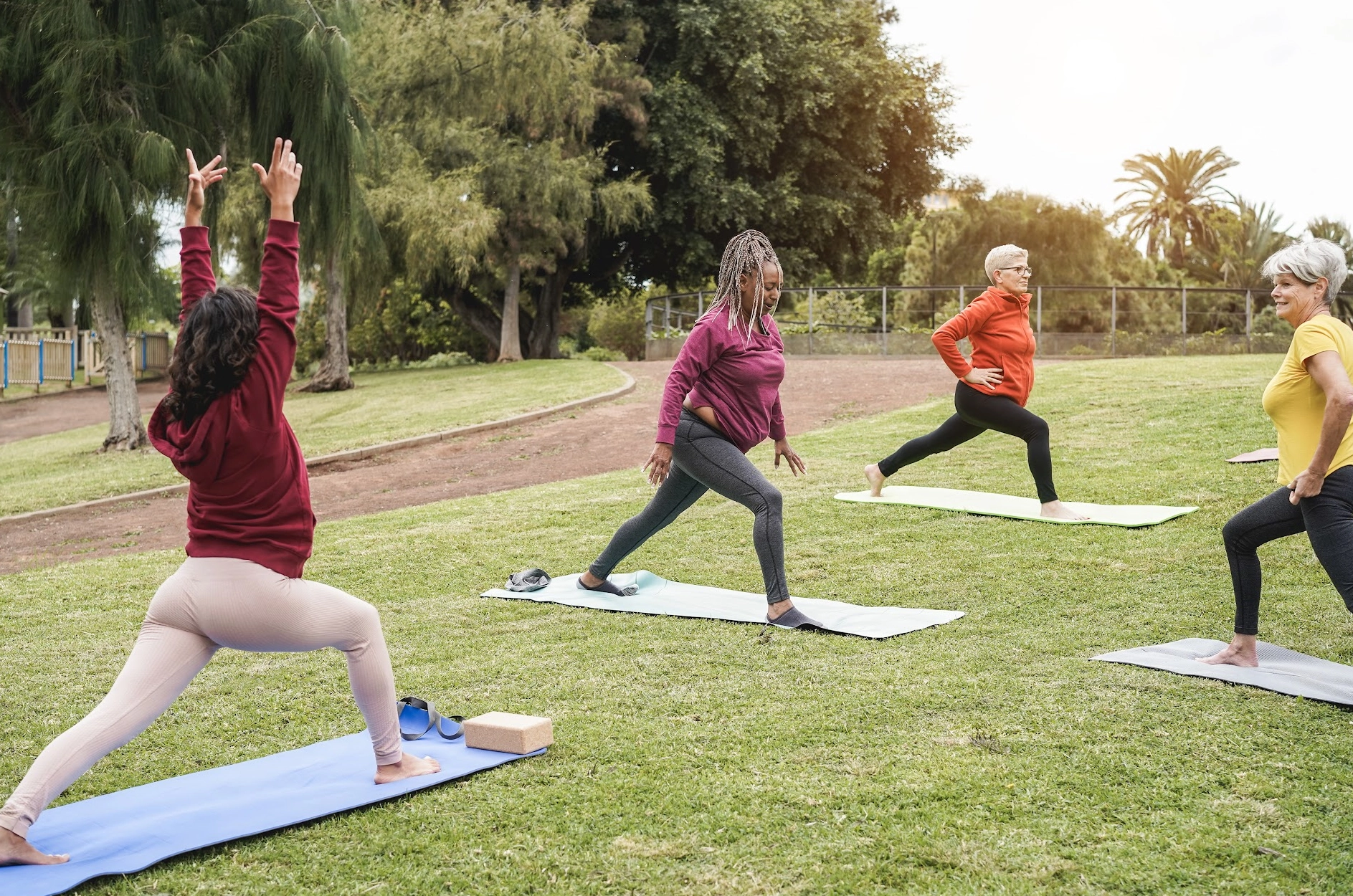 Stay hydrated.
 What’s better is adding at least 30 minutes of moderate intensity aerobic activity, 5 days a week. Breaking this down into shorter increments like 2 – 15 minute brisk walks a day (to and from work, getting on/off the bus further down the street, or walking to the grocery store) can make this seem more doable!
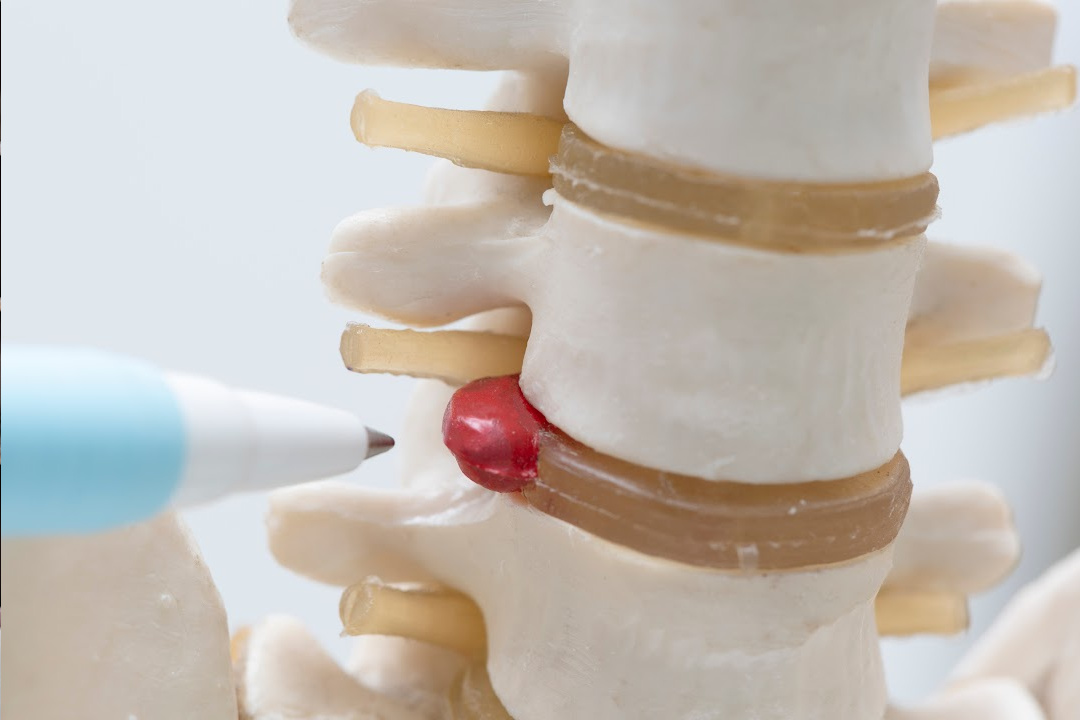 A disc is an intervertebral disc that lies between each vertebra of the spine. It acts as a “shock absorber” and a “shock distributor,” allowing for flexibility in your spine. These discs have a tough outer layer and a gelatin-like center.